
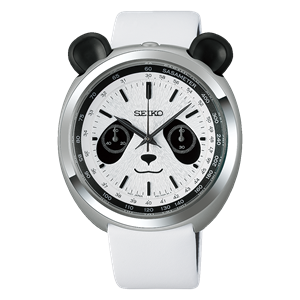
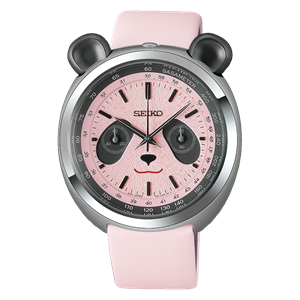
Do the world’s panda-style watch dials really resemble pandas?
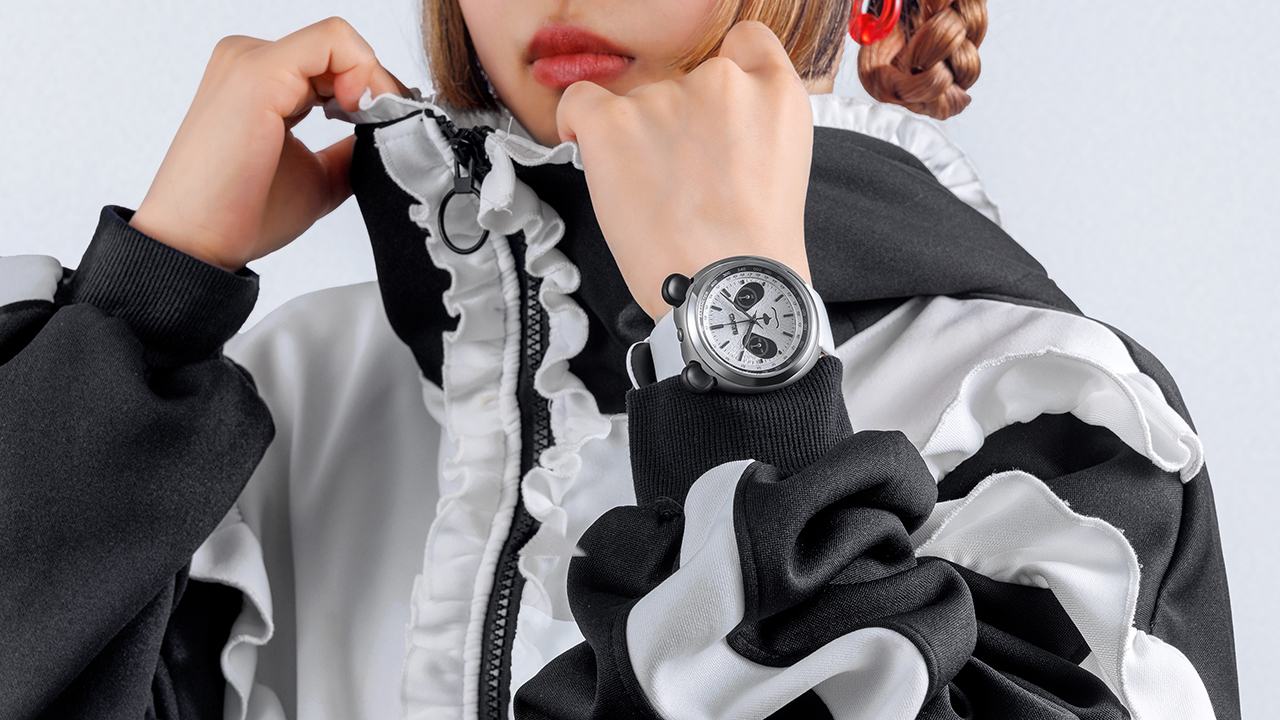
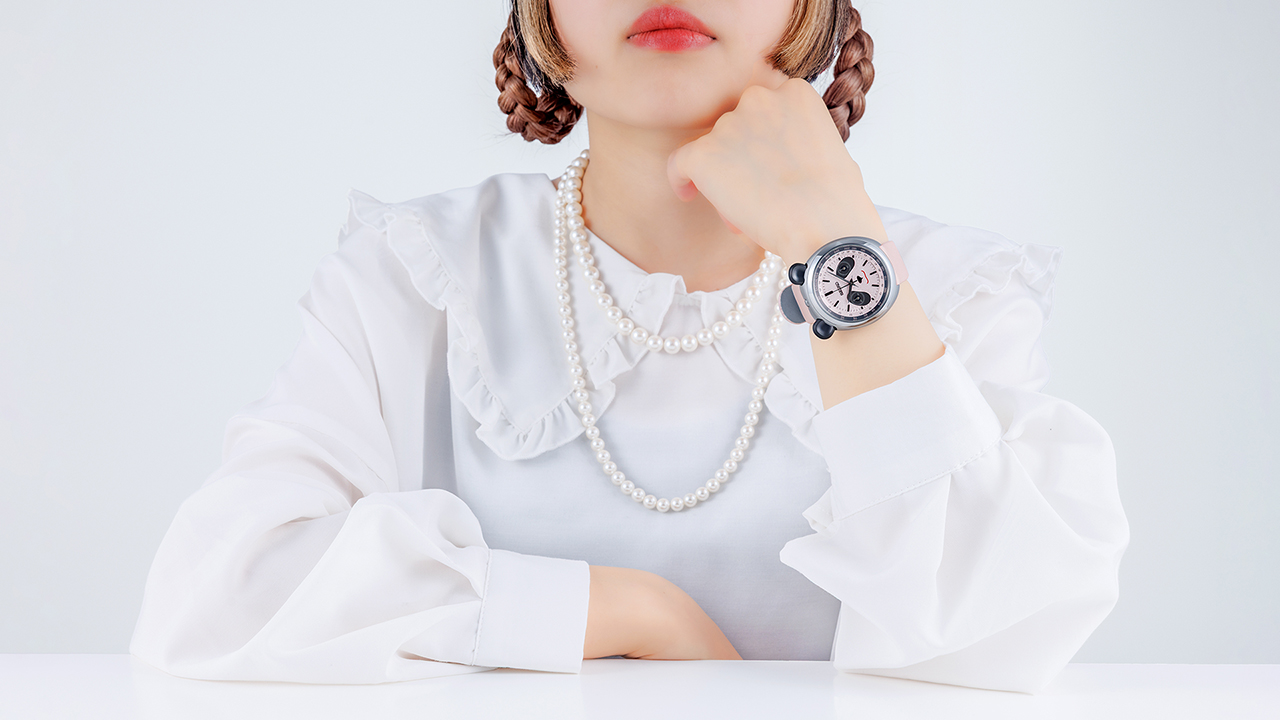
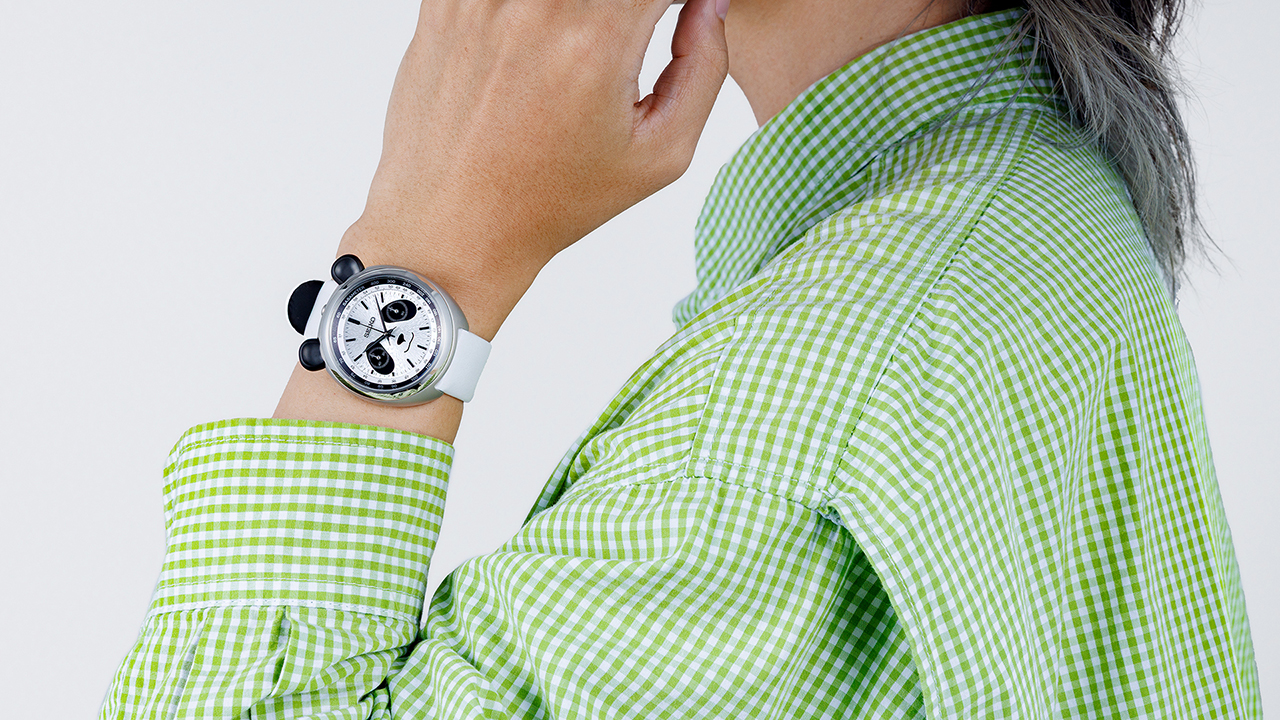
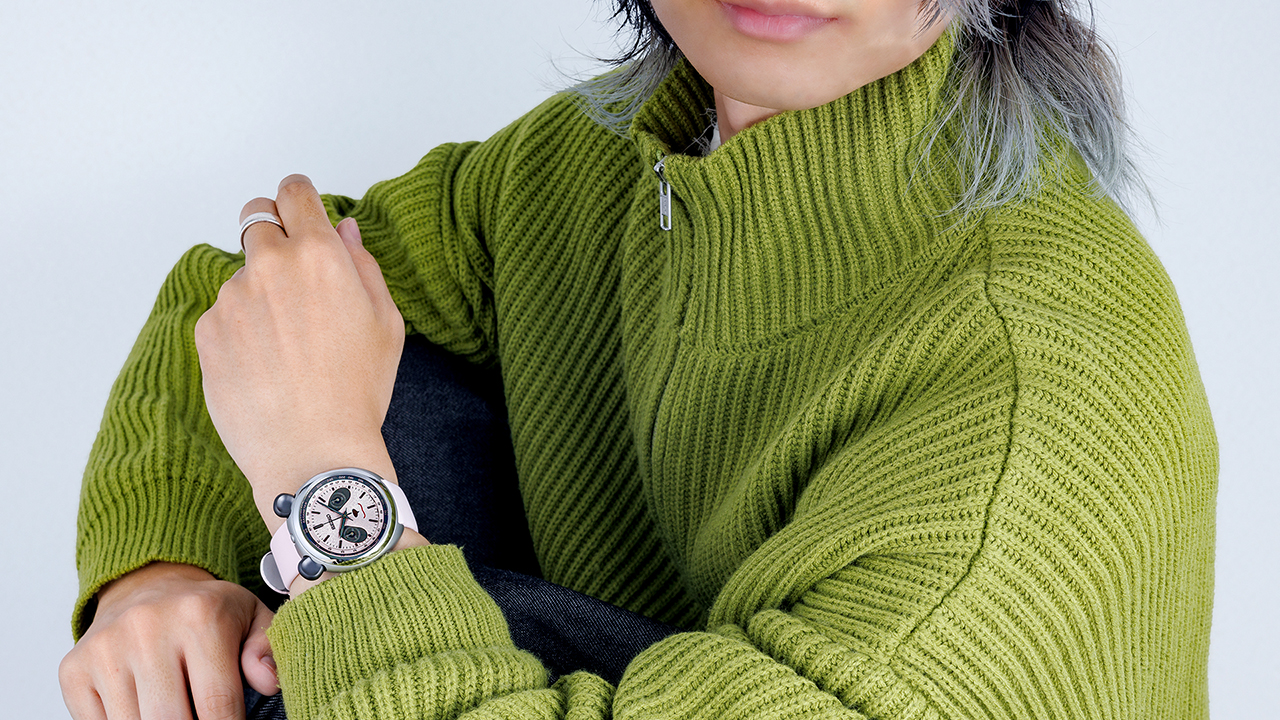
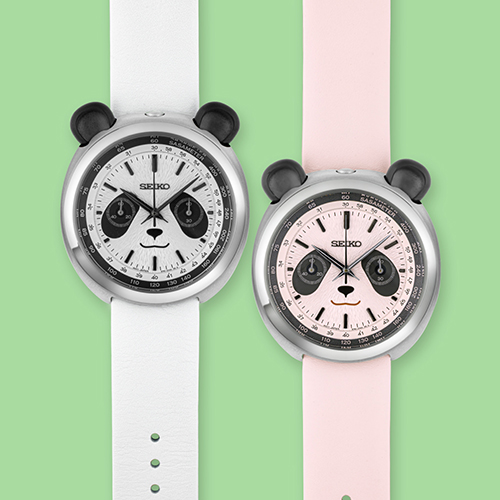
In watchmaking, chronograph dials featuring a white background with contrasting black sub-dials are widely known by the nickname “panda.” Starting with a simple question – “Do panda-style dials really resemble pandas?” – we took a fresh look at the elements that make a panda recognizable. Born from a designer’s curiosity and attention to detail, Seiko presents truly unique watches made for panda lovers. The Seiko power design project collection 2 even includes an adorable pink model inspired by the delicate appearance of a newborn baby panda. Kawaii!
Expressing an adorable panda face through the functions of a chronograph
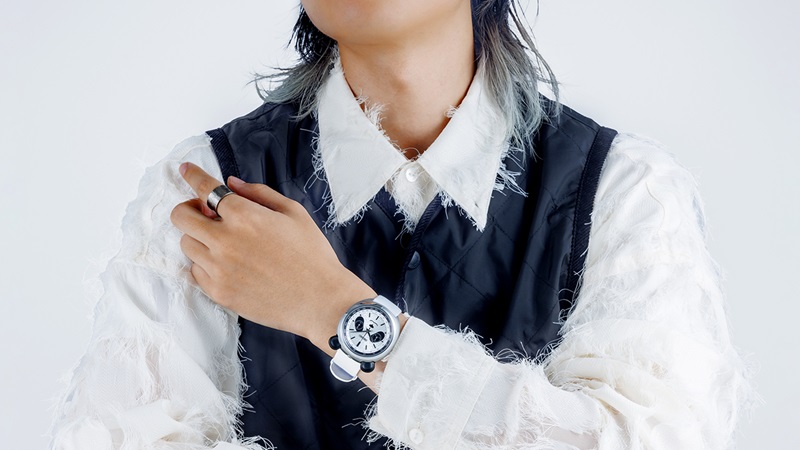
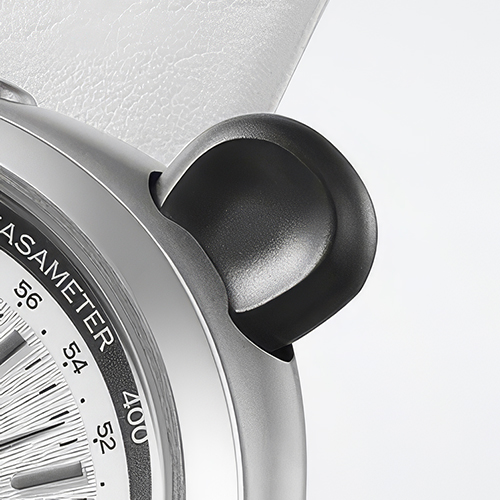
The embossed radial pattern on the dial evokes the panda’s fur, while the droopy-eyed subdials and the nose and mouth positioned at 6 o’clock create an adorable panda-like expression. The hour and minute hands are even shaped like bamboo leaves, one of the panda’s favorite foods.The two recessed pushers, inspired by the panda’s ears, operate the chronograph function. The tachymeter scale around the outer edge of the dial—which indicates speed based on the time it takes to travel 1 km—has been renamed the “SASAMETER.” This is a playful reference to sasa, the Japanese word for bamboo leaves, a favorite food of pandas. If a panda were to run at full speed for two minutes, the SASAMETER would indicate 30 km/h, the theoretical top speed of a panda.
A panda’s tail is white.
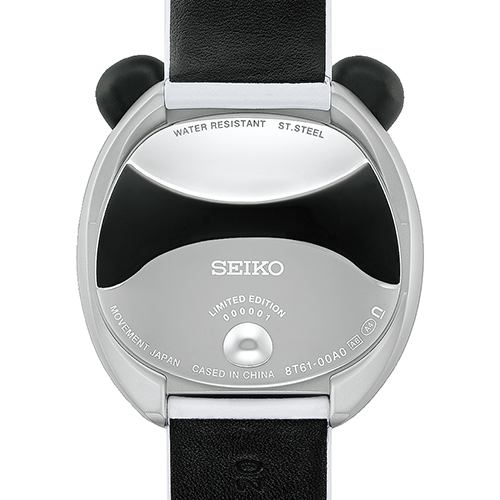
The case back features a rear view of a panda with a wistful detail – or, rather, panda-tail. Staying true to the appearance of a real panda, its tail is depicted in the same white hue as its hindquarters, rather than black. The words “LIMITED EDITION” are marked above the tail, adding a special touch befitting this model.
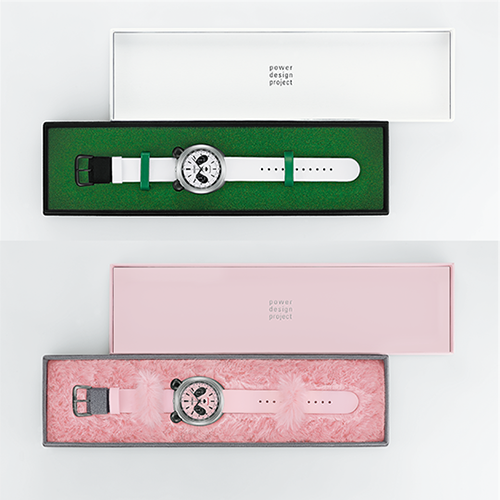
A special presentation box
The box for the black-and-white panda model is inspired by the playful image of a panda rolling around and lounging carefree on the grass.
The box for the baby panda model takes its inspiration from the adorable pink hue seen in pandas around one month after birth. The inside is lined with a soft, fluffy material, evoking the delicate, downy fur of a young panda.